Donate
@plancanada
SOURCES
*STAT ONE
**STAT TWO
†STAT THREE


‡STAT FOUR
One year after the start of the conflict in Ukraine, girls and their families are still facing a humanitarian crisis each day. Almost 14 million people have been forced to flee their homes, making this Europe’s largest refugee wave since WWII.
Attacks on energy infrastructure have left over six million people without electricity — temperatures are currently dropping to as low as -20 degrees Celsius in parts of the country, and families are unprotected from harsh winter conditions. And with global inflation and lack of employment opportunities, refugee families are struggling to make ends meet.
Many refugee families are now single female-headed households. Many husbands and fathers stayed behind in Ukraine to fight. Now, mothers are facing difficulty adjusting and managing the emotional well-being of their children — let alone themselves.
And, periods don’t stop during an emergency. Menstrual health products for refugees are difficult to access, putting girls’ and women’s physical and mental health at even greater risk.
Children and their families are living through unimaginable hardships, struggling to access critical health and education services. And the risk of violence against girls and women doesn’t end once they flee — away from their home and their support networks, they’re at high risk of exploitation.
A 7-year-old refugee girl named Anna was a singer in the children’s choir at the Odessa Ukraine opera house. But after witnessing death and explosions while fleeing from her home, she has stopped using her voice altogether. “She only talks in her sleep,” her mother says.
Girls from Ukraine need continued humanitarian aid to support their mental well-being and education. With your support, we’re focused on working alongside local partners in Moldova, Poland and Romania first, as well as working inside Ukraine with local partners, to provide protection from violence, abuse and neglect; uninterrupted, safe, inclusive and quality education; and psychosocial support, like art therapy. And, we are among the few organizations supporting girls’ menstrual health, providing thousands with period products and health kits.
We're working with girls to change the story
More than 85 years ago, Plan International was born during the turbulence of Spain’s civil war when our humanitarian founders stepped into the mass violence to protect children.
Today, we’re still fighting on the front lines responding to the unique needs of girls in crisis — because in the chaos of emergencies, we know that girls are put in even more vulnerable positions, and their experiences are too often overlooked.
Here, you’ll get a look at some of the top crises threatening our world in 2023 through the eyes of girls and women. And, you’ll find your opportunities for humanitarian action with Plan.
Watchlist: Top humanitarian crises threatening girls’ lives in 2023
More than 339 million people will need humanitarian assistance this year, more than the population of the United States.
It’s also 65 million more people than 2022, a 24% increase.
Climate shocks, economic turmoil, armed conflict and the long-term effects of the pandemic are ruining lives, especially those of girls and young women.
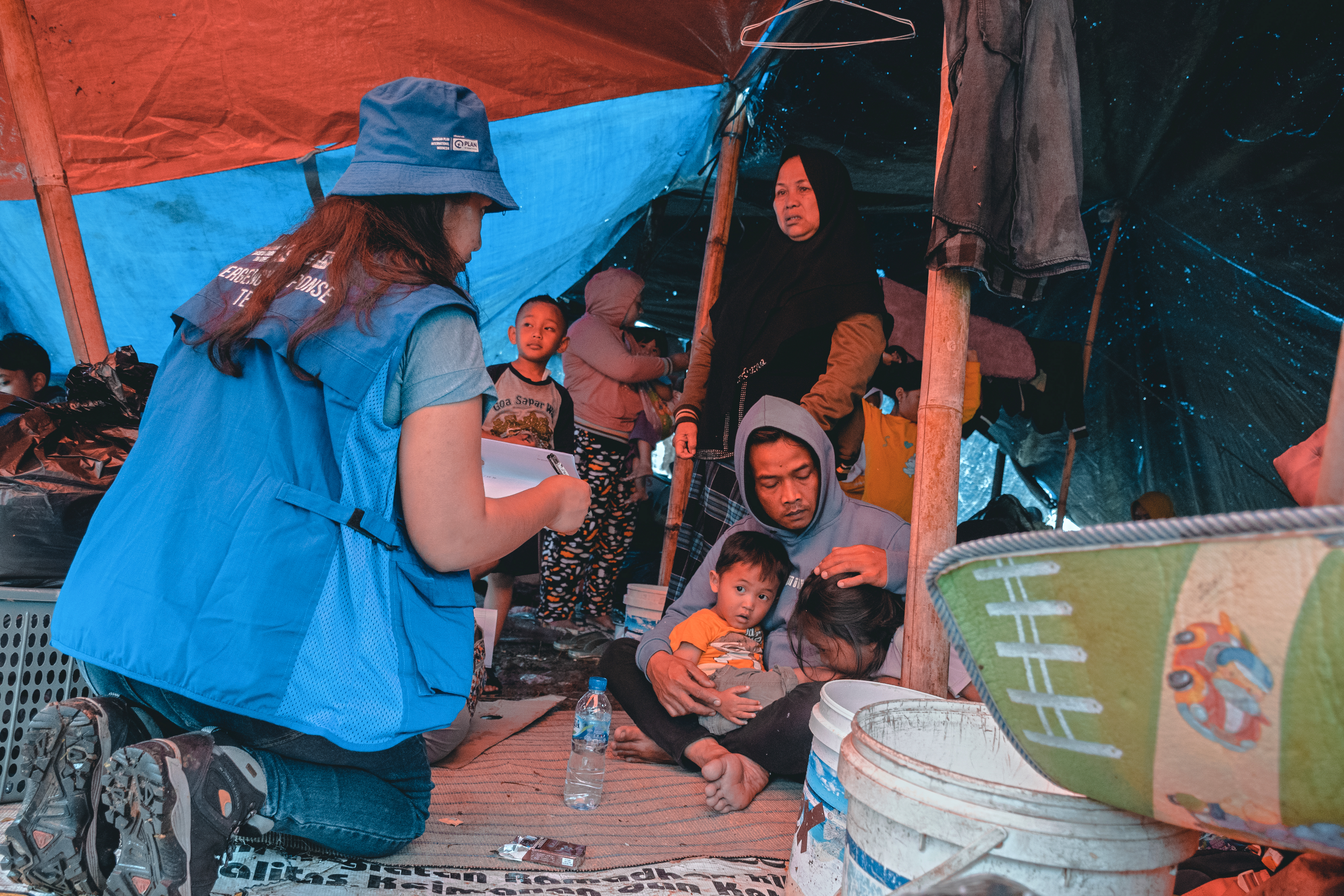


The Ukraine conflict
— Nearly 8 million people have become refugees.
— More than 6.5 million people have fled their homes to other areas of Ukraine.
— An estimated 17.7 million people need humanitarian assistance.
— 7,000 people have died, and 972 children have been killed or injured.
— An average four preschools a day have been damaged or destroyed.


Valeria, 27, fled Ukraine with her 2-year-old daughter Diana in December 2022 after the power outages in her city increased became so frequent that she couldn’t keep her toddler warm. Her husband has stayed behind in Ukraine.
Plan is working in Moldova to provide young children like Timur (right) with warm clothing, blankets and food during the harsh winter months.
What you can do
Rush my donation for Ukraine
Global hunger
— Every minute, a child is being pushed into deadly malnutrition.
— One person is estimated to be dying of hunger every four seconds.
— People across 79 countries are experiencing hunger.
— 70% of the world’s hungry are girls and women.
— 828 million people around the world need immediate food aid.
The world is in the grip of the worst hunger crisis in modern history. Globally, conflict is the biggest driver of hunger — it’s responsible for 65% of people facing food insecurity. Violence is destroying livelihoods and forcing families to flee their homes, and children are facing serious hunger as they seek refuge.
Inflation and economic shocks have impacted access to food for millions of people. Steep rises in food prices are creating immense strain on household budgets, with the poorest families hardest hit, and left to make devastating decisions for their daughters.
Plan staff visited a community in Kenya, where they met a 14-year-old girl. “She’s the newest bride in the village,” her mother says. “She’s just been married two months ago. Most of our livestock have died with the drought.

On the 14-year-old girl’s left arm are four silver bracelets. The first one identifies her as a married girl, and the other three signify the number of children she’s expected to have, based on the number of children in her husband’s family.
Countries across Africa are especially affected by hunger because of the conflict in Ukraine. Russia and Ukraine supply around 40% of Africa’s wheat, but the war has halted exports, leaving countries like Kenya at risk of famine.
And climate change is increasing the frequency and intensity of natural disasters, like drought, hurricanes, cyclones and floods, which are destroying countries’ crops and livestock. Right now in East Africa, the worst drought in 40 years is leaving parents without the resources (like livestock) they need to feed their families, and millions of children are facing severe malnutrition.
After four failed rainy seasons over the last four years, Somalia is bracing for famine — the most severe level of hunger — in 2023. We spoke with Plan International Somalia’s Head of Mission, Sadia Allin, to understand what this means for girls and their families.
“I put my children to bed and boil water in the night so that they will fall asleep thinking there will be food. But today, I don’t have enough water to boil. We did not eat last night. We did not eat today. And I don’t think we will have anything to eat tomorrow.”
Her father decided to marry her off in exchange for camels to sustain the rest of the family.”
In Somali culture, whenever there is a food shortage, girls are the last members of the family to eat and often miss meals to feed others. “I cook, eat last and if there is not enough food, I don’t eat,” 13-year-old Faisa from Somalia tells us. “I have to wait until the next meal if I am lucky.”
What you can do
Your gift of just $33 can feed four children in Kenya with a month’s worth of food. By donating, you’ll support Plan’s response to the hunger crisis in Burkina Faso, Ethiopia, Haiti, Kenya, Mali, Niger, Somalia and South Sudan. With your help, we’re providing lifesaving relief to girls and their families, including food and water kits, school meals and treatment for malnutrition. And, we’re working to keep girls protected from increased risk of child marriage, gender-based violence and exploitation.
Help end hunger now
Violence and insecurity in Haiti
— A cholera outbreak is worsening every day, with children ages 1-4 most affected.
— Food prices inflated by 30% throughout 2022.
— Hunger has reached catastrophic levels for the first time ever in Haiti, according to the U.N.
— 111,582 people have been forced to flee their homes, mostly driven by urban violence.
— Half of the population needs some form of humanitarian aid, and the number is expected to grow this year.
Since the assassination of Haiti’s President Jovenel Moïse in 2021, political instability has led to gangs taking control of most of the capital, Port-au-Prince. Violence in surrounding neighborhoods has made it nearly impossible for children and families to leave their homes to get food and water, or to make it safely to school or work. Armed groups have also seized the main fuel import terminal, blocking flows of diesel, the economy’s lifeline. And, gangs are using sexual violence to terrorize girls and women, and intimidate local communities.
“Our main concern is focused on women and girls. Not only are we challenged with getting enough funds to provide food and other crucial elements, with the current crisis in the country it is almost impossible to move around. The fuel shortages and daily violence are affecting how and where we can work, and urgent supplies are not getting where they should be. In the end it is the women and girls who pay the price.”
Nearly 5 million Haitians are now facing starvation. Basic food items such as rice, flour, sugar and vegetable oil increased in price by more than 63% in September 2022 and 88% in October 2022, due to import inflations. It’s expected increases will continue in 2023.
Meanwhile, Haiti is facing its first cholera outbreak in more than three years. Communities are still grappling with the damage from the 2021 earthquake, which destroyed critical clean water and sanitation infrastructure, making these types of disease outbreaks more likely to spread. Children who are malnourished from a lack of food are much more likely to catch cholera, and are three times more likely to die if they contract it.
The country’s healthcare system has also been badly impacted, with some hospitals forced to close or cut the number of patients they can admit due to the lack of electricity or fuel to power generators. Healthcare workers can’t get to work, and hospitals are struggling to procure drugs and medical supplies for sick children.
“Children are dying of diseases that are preventable. Our local hospital is not functioning well. The other day, a friend had to go there and there was not even light. An orphaned child was walking down the corridors without having been treated by the doctors.”
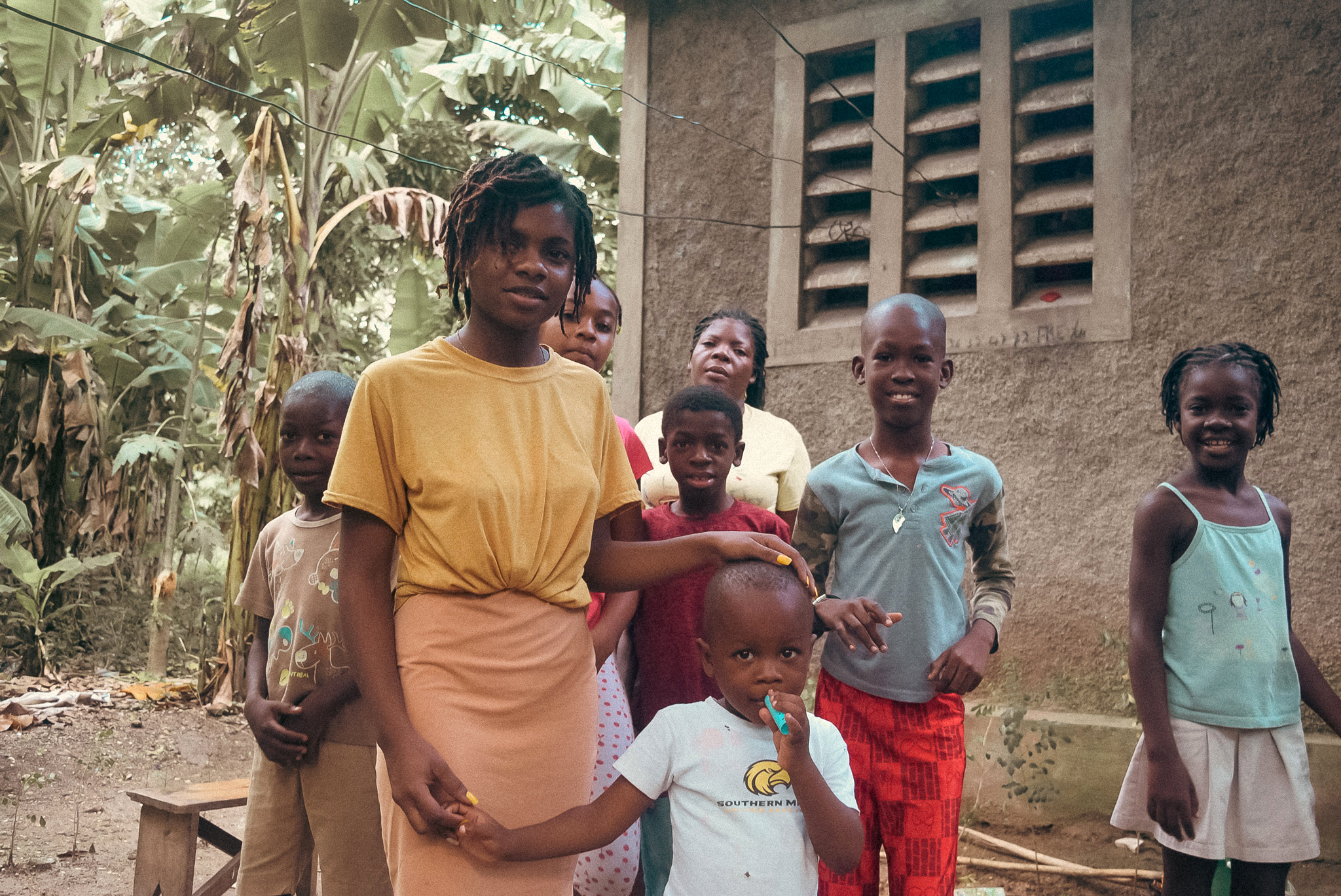
“We are living in widespread misery — this affects us all,” 20-year-old Stephanie says, standing with some of the children in her community.
What you can do
Plan International launched an emergency response to the hunger crisis in Haiti in July 2022 in the country’s southeastern region. Cash transfers were distributed to more than 2,400 families, helping them buy food and other necessities — but there’s so much more to do.
During 2023, we are continuing to support families in need with the delivery of cash to 719 families in the northeast region of the country as well. And, we’re holding workshops on protection, nutrition and hygiene in response to the recent cholera outbreak.
Support Plan's response in Haiti
Other crises to watch closely this year …
— Unrest in Afghanistan: Decades-long conflict and economic collapse have put more than 28 million people in need of humanitarian response. Almost the entire population is living in poverty. And, the Taliban government banned education for girls — currently, grade six is the highest level of education achievable for girls.
— Displacement in Venezuela: More than 7 million people have fled Venezuela since 2015, because of conflict and lack of access to basics like food and water. Of those who remain in the country, 90% live in poverty. Children who have migrated need support, and more children and families migrating are expected in 2023.
— Civil war in South Sudan: The country has been hit hard by drought and hunger, and the civil war that ended five years ago is still causing widespread conflict and violence. More people in South Sudan will face hunger this year than ever before, and since violence against humanitarian workers is among the highest in the world, it’s difficult to reach girls and their families in need.
— Climate shocks around the world: Climate-related disasters like floods and hurricanes are beyond human control. But as the earth warms each year, we know how to prepare for what could come in 2023, so that we can be there for girls even before disaster strikes.
— A mother of nine in Somalia tells Sadia
— Anaëlle Canez, Plan Haiti program specialist
— Stephanie, a young woman in Haiti